10 Best Patio Storm Doors to Enhance Your Home Security and Style?
Enhancing home security and style often begins at the entry points. Patio storm doors serve a dual purpose. They boost security and improve aesthetics. According to a recent industry report by the American Door Association, over 30% of homeowners cite enhanced security as their primary reason for installing patio storm doors.
Expert James Thornton, a leading figure in home security solutions, emphasizes, "Investing in quality patio storm doors can safeguard your home from unauthorized access." The right doors not only protect but also elevate curb appeal. The variety of styles and materials available allows homeowners to make personalized choices.
Despite their benefits, not all patio storm doors are created equal. Some options may lack durability or security features. Homeowners must choose wisely. Evaluating materials, locks, and installation quality is essential to maximizing benefits. In a market filled with choices, the right patio storm door offers both an inviting entrance and peace of mind.
Top Features to Look for in a Patio Storm Door for Security
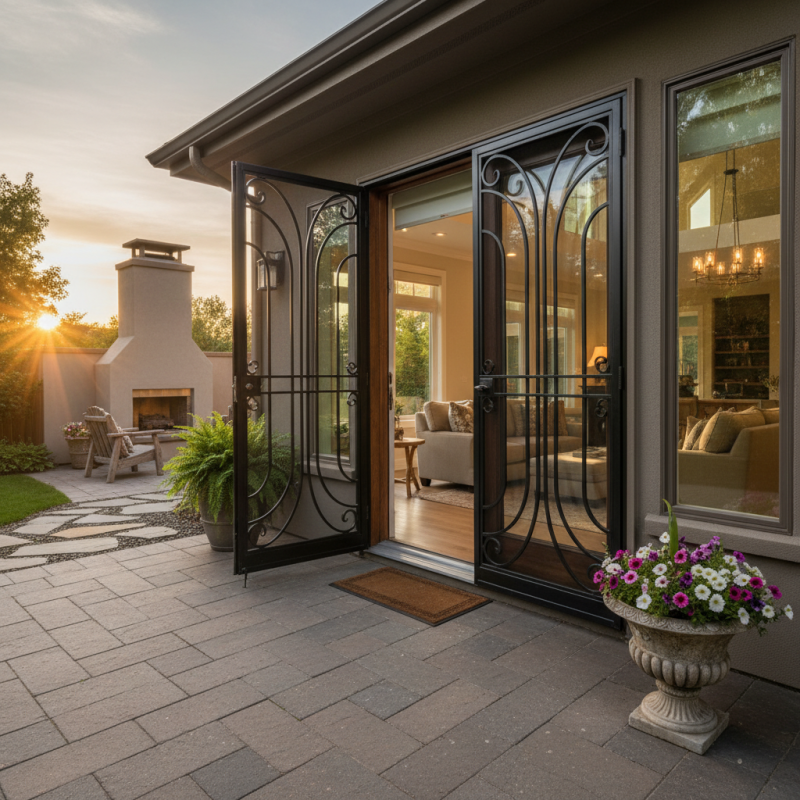
When selecting a patio storm door, security features should be a top priority. Look for reinforced frames that resist impact. Doors with tempered glass provide an added layer of protection against break-ins. Additionally, multi-point locking systems are essential. They secure the door at multiple points, ensuring that it cannot be easily forced open. These features create a strong barrier, giving peace of mind.
Style is also important. Choose a door that complements your home’s architectural features. A door with an attractive finish can enhance curb appeal. Also, consider screens for ventilation. They allow fresh air in while keeping bugs out. However, some designs may not be as durable as they promise. It’s essential to balance aesthetics with functionality. If you overlook this, the door could become a weak point rather than a strong asset.
Comparative Analysis of Material Durability in Patio Storm Doors
When choosing patio storm doors, material durability plays a crucial role. Commonly used materials include steel, fiberglass, and aluminum. Steel doors tend to be the strongest, offering excellent security. However, they may rust over time if not properly maintained. Fiberglass is resistant to dents and scratches, making it a popular choice. It can mimic the look of wood without the same upkeep demands. Aluminum is lightweight and resistant to corrosion, but it may not provide as much insulation.
Each material has its drawbacks. Steel doors can dent easily from impacts, while fiberglass may crack in extreme temperatures. Aluminum can bend under heavy force, which can compromise security. These factors are essential in evaluating durability. Consider how often the door will be exposed to harsh conditions. Extreme weather can accelerate wear and tear. Opting for doors with weather-resistant coatings can prolong their lifespan and enhance durability. Take time to weigh the pros and cons of each material to find the best fit for your home.
10 Best Patio Storm Doors to Enhance Your Home Security and Style
| Model |
Material |
Durability Rating |
Security Features |
Style Options |
Price Range |
| Model A |
Fiberglass |
9/10 |
Multi-point locking |
Traditional, Modern |
$250 - $400 |
| Model B |
Aluminum |
8/10 |
Reinforced hinges |
Contemporary |
$300 - $500 |
| Model C |
Steel |
10/10 |
Deadbolt lock |
Classic, Rustic |
$400 - $600 |
| Model D |
Vinyl |
7/10 |
Smart lock technology |
Modern, Minimalist |
$200 - $350 |
| Model E |
Composite |
9/10 |
Keyless entry |
Craftsman, Transitional |
$350 - $500 |
Impact of Energy Efficiency Ratings on Home Comfort with Storm Doors
When considering storm doors, energy efficiency ratings play a crucial role. A door with a high energy efficiency rating can significantly reduce heating and cooling costs. It acts as an extra layer, adding insulation to your home. This leads to a more comfortable living environment.
Tips for Choosing Energy-Efficient Storm Doors:
1. Look for doors with a low U-factor. This value represents how well the door insulates. The lower the number, the better the door is at retaining heat.
2. Opt for double-glazing. It creates an air pocket that improves insulation. This can keep your home warmer in winter and cooler in summer.
3. Consider the materials. Fiberglass and steel tend to have better insulation properties than wood. They last longer and require less maintenance.
Despite these advantages, not all storm doors are the same. There could be variations in insulation between models. Some doors may warp or lose efficiency over time. Regular checks can help identify issues early. This ensures your door continues to perform optimally, contributing to your home's comfort and security.
Popular Design Styles of Patio Storm Doors to Complement Your Home
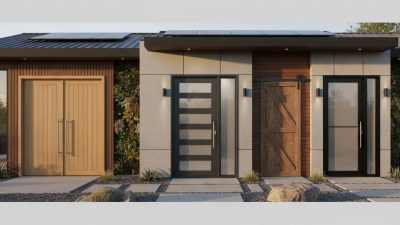
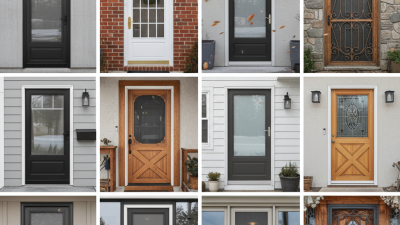
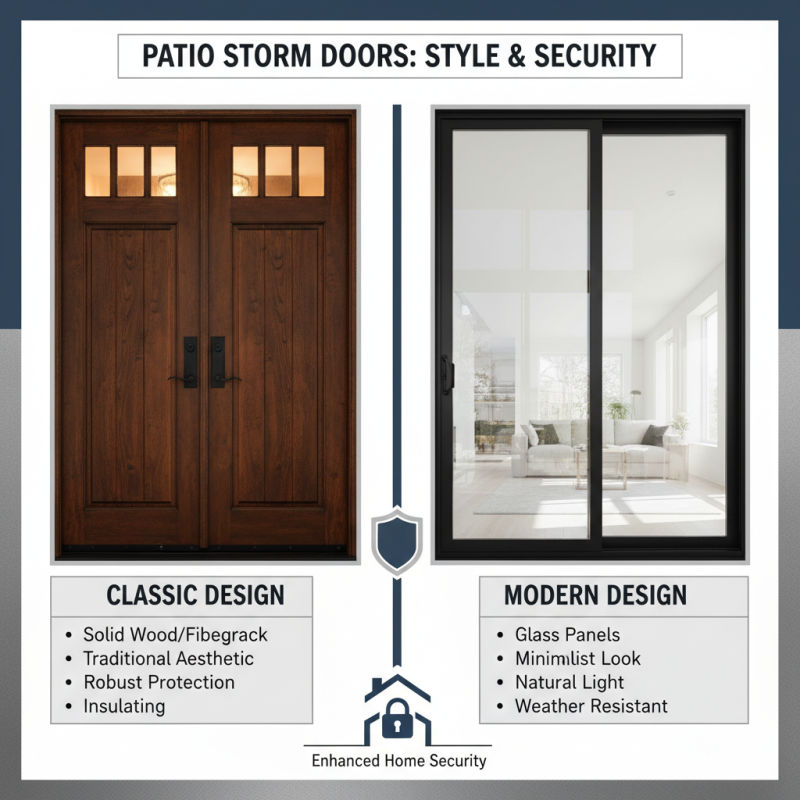
When considering patio storm doors, style is just as important as security. There are many design styles available. Each can enhance both the look of your home and provide extra protection. Classic designs often feature solid wood or fiberglass, creating a warm, inviting entrance. Alternatively, sleek, modern glass doors offer a minimalist touch. They allow natural light while keeping the elements out.
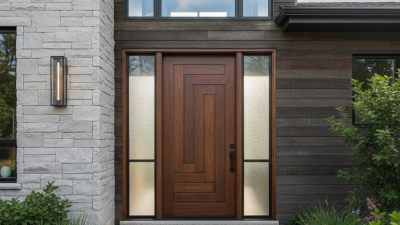
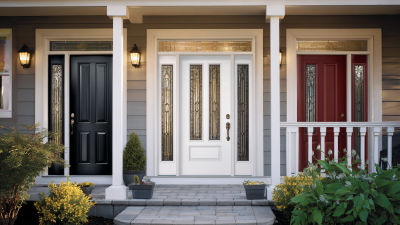
There are also many decorative options. You can choose from etched glass or intricate patterns. These add personality to your entryway. Think about matching the door style with your home's architecture. A cottage-style home may benefit from a charming, paneled door. In contrast, a contemporary home looks great with a smooth, unadorned door.
**Tips:** Always consider the climate in your area. This affects both style and material choice. For example, heavy-duty materials work well in windy regions. Also, ensure the door complements your existing decor. A mismatched door can disrupt your home's flow. Regular maintenance is key too. A poorly maintained door can be an eyesore, detracting from its original beauty.
Expert Recommendations: Leading Brands in Patio Storm Doors Market
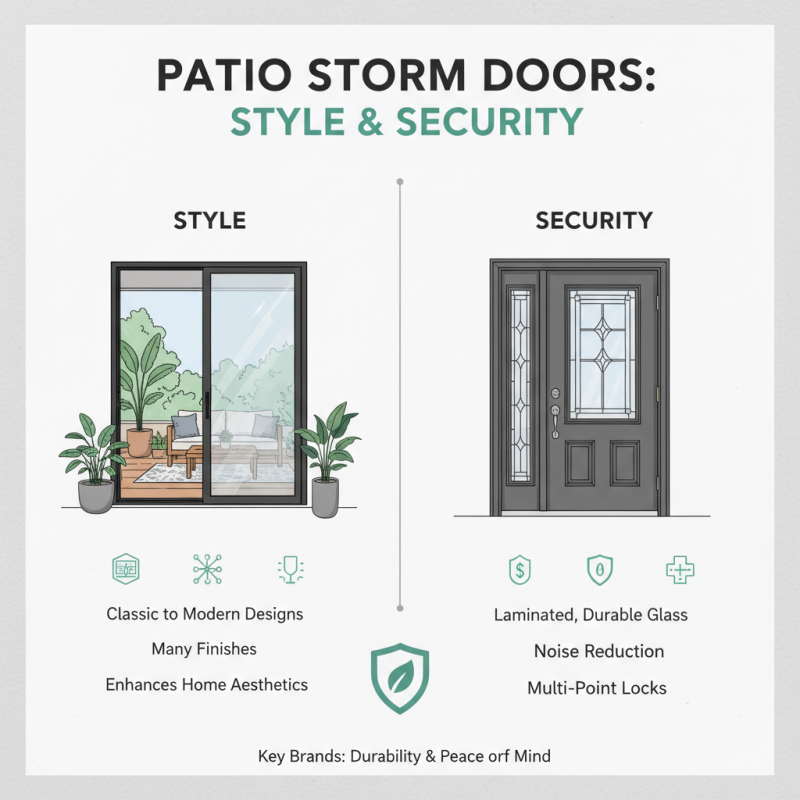
When considering patio storm doors, style and security go hand in hand. Several brands stand out in the market, each offering unique features. Some doors come with laminated glass, which is both durable and secure. They also help reduce noise, creating a more peaceful atmosphere in your home. Many designs are available, from classic to modern, ensuring that there is something for everyone.
Look for adjustable thresholds that improve weather resistance. Some options include multi-point locking systems that add an extra layer of security. The materials used can vary as well, affecting longevity and design. Vinyl options are low-maintenance while aluminum provides strength.
However, it’s essential to consider installation and compatibility with your existing structure. Poor installation could lead to gaps and energy loss. It’s not just about choosing the door; it’s about getting it right. Be mindful of your specific needs and the surrounding environment when making a selection. Choosing the right patio storm door can be a reflection of your taste and a safeguard for your home.