What is the Best Modern Front Entry Door for Your Home?
Choosing the right entryway for your home is essential. Modern front entry doors play a crucial role in both aesthetics and functionality. They create a first impression that reflects your personal style. A beautiful door welcomes guests and enhances your home's curb appeal.
Various materials and designs are available today. From sleek fiberglass to sturdy steel, the options are vast. Each material offers unique advantages, but it can be overwhelming to find the perfect fit. Consider factors like climate, security, and maintenance needs. Not every modern front entry door will suit your home’s architecture.
Sometimes, buyers fixate on trends, overlooking practical aspects. It's important to balance style with functionality. A door should not only look good but also provide security and durability. As you explore your choices, remember to reflect on what features truly matter to you and your lifestyle.
Understanding the Importance of a Front Entry Door in Home Design
A front entry door plays a crucial role in home design. It serves as the first impression for visitors. A well-chosen door can enhance curb appeal significantly. It attracts attention and reflects the homeowner's style. The right door can create a sense of warmth and welcome.
Conversely, a poorly designed door may detract from the home's beauty. It could make the house look uninviting. Consider factors like materials, color, and design. The door should complement the architecture. Reflect on the feelings you want to evoke in guests. Think about security as well. A sturdy door enhances safety, providing peace of mind.
Choosing an entry door is more than an aesthetic choice. It's an opportunity to express personality. However, with so many options, the decision can be daunting. Every detail matters, from hardware to finish. Each choice contributes to the overall feel of your home. Consider how these elements resonate with your values and lifestyle.
Exploring Different Materials for Modern Front Entry Doors
When selecting a modern front entry door, material choice is crucial. Wood, fiberglass, and metal are popular options. Wood doors offer natural beauty and warmth. They can be customized easily but may require more maintenance. Over time, wood can warp or crack due to weather changes. Consider the climate in your area before deciding.
Fiberglass doors are gaining traction for their durability and energy efficiency. They resist dents and scratches, making them ideal for busy households. However, some may argue that fiberglass lacks the authentic look of real wood. It's important to weigh aesthetics against practicality when choosing. Metal doors, often made from steel or aluminum, provide a contemporary look and extreme security. They are low-maintenance but may not offer the same insulation as other materials.
As you explore, think about your home's style and the atmosphere you want to create. Every material has its pros and cons. Choose a door that fits not just your design vision, but also your lifestyle needs.
Styles and Aesthetics: Choosing the Right Look for Your Home
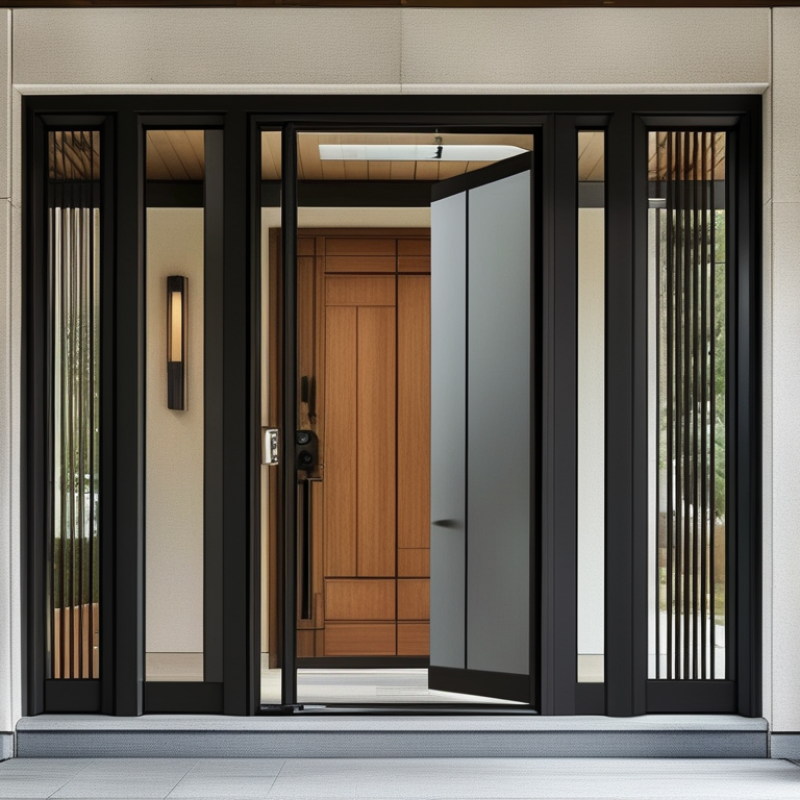
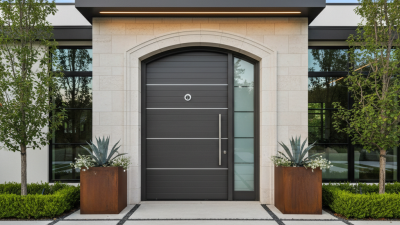
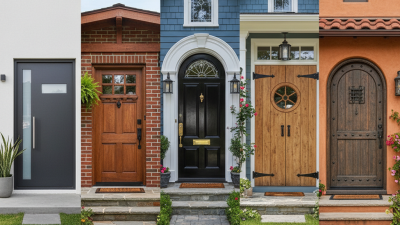
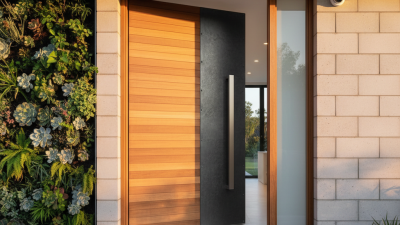
Choosing the right front entry door is crucial for your home’s identity. A door’s style can dramatically influence curb appeal. Modern designs often feature clean lines and minimalistic aesthetics. These can enhance a home’s contemporary feel. Think about your local environment when selecting materials. Natural wood can blend beautifully in wooded areas. Alternatively, steel or fiberglass may suit urban settings better.
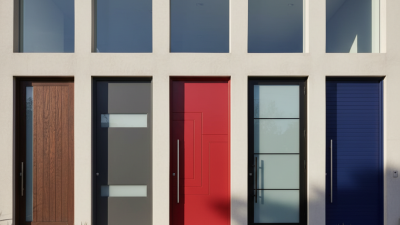
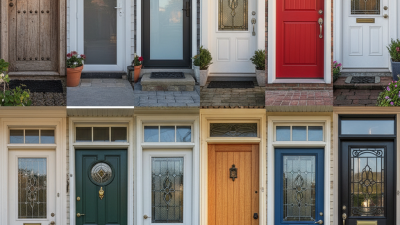
Color is another vital aspect. Bold hues can create a striking focal point. A dark, rich color can convey sophistication. Light shades often evoke tranquility and openness. Consider how these colors complement your home’s exterior. Patterns, like sidelights or decorative glass, add depth. They can reflect personal tastes and invite light indoors.
However, not every door works for every home. Size and proportions are essential. A door that is too large can overwhelm a small entryway. On the other hand, a diminutive door may seem out of place on a grand façade. It’s crucial to measure accurately and visualize the overall look. Sometimes, the most obvious choice isn’t the best fit. Take time to reflect on your options and don’t rush the decision.
Security Features to Consider for Front Entry Doors
When choosing a modern front entry door, security features are crucial. A core aspect to consider is the material. Solid wood and fiberglass offer enhanced durability.
Steel doors are also a strong option, providing excellent resistance against impact. While beautiful, glass panels can be vulnerable. If you opt for them, ensure they're reinforced or double-paned.
Locking mechanisms play an essential role in door security. Deadbolts are a must-have. They offer greater protection than standard doorknob locks.
Smart locks can add convenience but should be assessed for reliability. Look for options with features like keyless entry and tamper alerts. These modern solutions enhance security while simplifying access.
Installation also matters. A poorly installed door can compromise even the best features. Hire a professional to ensure everything fits snugly. Look for gaps or drafts after installation; these could signal weak points.
Regular maintenance checks on hinges and locking mechanisms are vital. A door may look great but will not be effective without proper care.
Energy Efficiency Ratings for Modern Front Entry Doors
When choosing a modern front entry door, energy efficiency should be a top priority. Many homeowners overlook this critical aspect. However, Energy Star certified doors can significantly reduce heating and cooling costs. According to the U.S. Department of Energy, well-installed energy-efficient doors can save you 10-15% on energy bills.
The National Fenestration Rating Council (NFRC) provides valuable ratings. Look for doors with a low U-factor, which measures heat transfer. A U-factor of 0.20 or lower is considered efficient. Additionally, Solar Heat Gain Coefficient (SHGC) ratings are also essential for minimizing heat gain. A lower SHGC rating is preferred in hot climates, while a higher rating may benefit cooler areas.
Consider the materials as well. Fiberglass and steel doors generally offer better insulation compared to traditional wood doors. A study by the Door and Access Systems Manufacturers Association showed that insulated doors can reduce energy loss by up to 40%. While these materials can be more expensive upfront, the long-term savings can make them worth the investment. Choosing a door is both a practical and aesthetic decision, demanding careful thought and research.