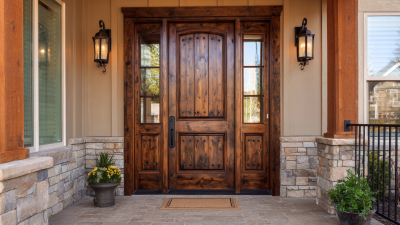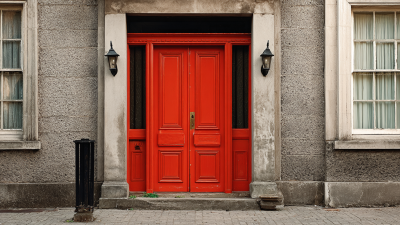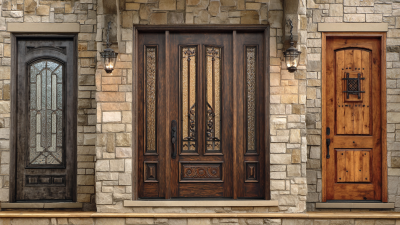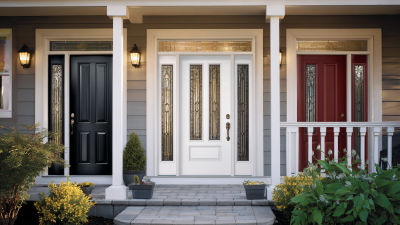
In the pursuit of enhancing your home's curb appeal and security, selecting the right exterior entrance doors is a critical decision that can significantly impact your property’s value. According to a recent report by the National Association of Realtors, approximately 76% of homeowners believe that a well-chosen door contributes to the overall aesthetic of their residence. John Doe, a leading expert in residential design, emphasizes the importance of this choice: “The front door is not just an entry point; it’s the first impression of your home, and it should reflect both style and functionality.”
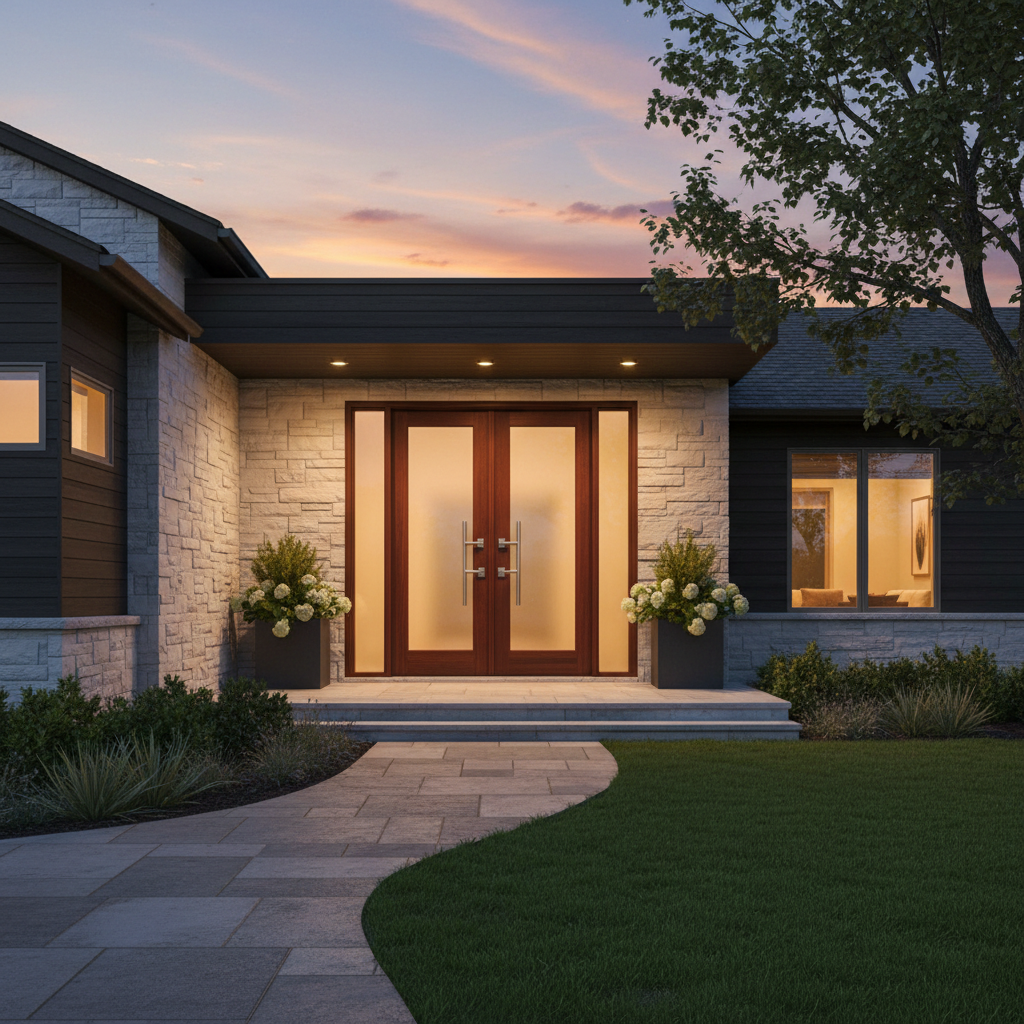
As we approach 2025, homeowners are presented with a myriad of options for exterior entrance doors that range from traditional wooden models to modern fiberglass designs. Industry trends indicate a growing preference for energy-efficient doors, which not only diminish energy costs but also enhance the overall comfort of the living environment. The research reveals that doors equipped with advanced insulation features can reduce energy expenses by up to 20% annually.
Selecting the best exterior entrance doors requires a thoughtful balance of aesthetics, performance, and security. Understanding the latest innovations and trends in door technology can empower homeowners to make informed decisions that elevate the safety and beauty of their dwellings. As we explore various factors that contribute to this selection process, it's essential to keep in mind both practical considerations and personal taste.
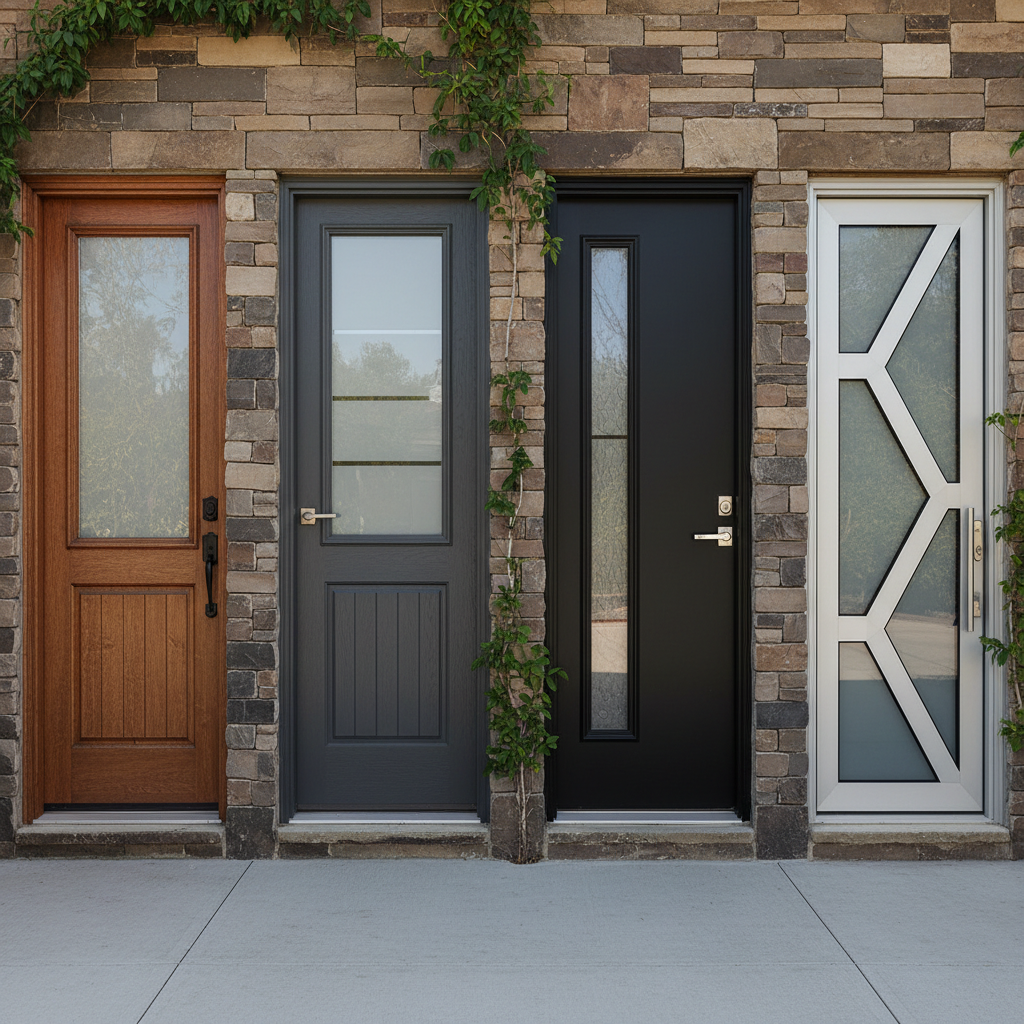
When selecting exterior entrance doors for your home, several crucial factors come into play. The choice of material is paramount, with options ranging from wood and fiberglass to steel. According to the 2023 Door Materials Report, fiberglass doors can offer up to five times the insulation of wooden doors, making them a popular choice for energy efficiency. Consider your climate and the level of maintenance you're willing to commit to; for instance, wood doors require regular treatments to protect against moisture, while steel doors can be susceptible to rust without proper care.
Tips: Prioritize energy efficiency by checking the door's R-value, which measures insulation effectiveness. A higher R-value indicates better thermal performance, contributing to lower energy bills.
Security is another critical consideration when choosing an entrance door. Reports suggest that over 70% of break-ins start at the front door, highlighting the importance of robust locking systems and durable materials. Opting for multi-point locking systems can significantly enhance security, offering peace of mind for homeowners.
Tips: Look for doors that have a Grade 1 or 2 rating from the ANSI/BHMA, which ensures that the locking mechanisms meet high security standards, thus providing added safety for your home.
: The main materials for exterior entrance doors include wood, fiberglass, and steel. Each material has its own advantages, with fiberglass offering superior insulation compared to wood.
Energy efficiency is very important. Checking the door's R-value can help determine its insulation effectiveness, with a higher R-value indicating better thermal performance and potential savings on energy bills.
Look for robust locking systems, particularly multi-point locking systems, and doors with a Grade 1 or 2 rating from the ANSI/BHMA for enhanced security against break-ins.
Climate plays a significant role as certain materials require more maintenance in varying conditions. For example, wood doors need regular treatments in moisture-prone areas, while steel doors can rust if not properly cared for.
Consider the architectural style of your home, the color and finish of the door, and any decorative elements like glass inserts and custom hardware to enhance curb appeal and personal style.
Yes, modern entrance doors can include advanced technologies such as smart locks with keyless entry, integration with home security systems, video doorbells, and motion sensors to improve security and convenience.
The right entrance door not only provides security but also enhances the visual appeal of the home, reflecting personal style and complementing architectural design.
Wooden doors require regular treatments to protect against moisture, while fiberglass and steel doors typically need less maintenance, although steel can rust without proper care.
Decorative features such as unique colors, textures, and accessories can significantly enhance the visual impact of an entrance door, adding character and charm to the home's exterior.
The entrance door serves as a primary barrier against intruders, making its material, locking system, and overall security features critical for protecting the home.
When choosing the best exterior entrance doors for your home, several crucial factors must be considered to ensure both functionality and aesthetics. First, evaluate the types of materials available, such as wood, fiberglass, and steel, each with their unique pros and cons in terms of durability, maintenance, and appearance. Energy efficiency is another vital aspect, as well-insulated doors can significantly reduce heating and cooling costs, contributing to a more sustainable home.
Additionally, the aesthetic style of your exterior entrance doors should complement your home's architecture. From traditional designs to modern styles, selecting the right look enhances curb appeal. Lastly, modern security features and technologies, such as smart locks and reinforced frames, are essential for protecting your home. By carefully considering these elements, homeowners can make informed decisions about their exterior entrance doors, ensuring they meet practical needs and align with personal taste.