Top 10 Benefits of Indoor WPC Wall Panels for Global Buyers
Indoor wpc wall panels have gained popularity among global buyers. These innovative panels blend aesthetics and functionality. Their unique construction offers numerous benefits that cater to different needs and styles.
One significant advantage is durability. Indoor WPC wall panels resist moisture, making them suitable for various environments. They are also easy to maintain, saving time and effort for homeowners. Another key benefit is their eco-friendliness. Made from recycled materials, they contribute to sustainable living. Additionally, the variety of designs available allows for customization, enhancing any indoor space.
However, potential buyers should reflect on their choices. While these panels offer great advantages, understanding installation requirements is crucial. Choosing the right patterned finish can impact the overall look. Overall, Indoor WPC wall panels provide a fantastic solution for modern interiors, balancing beauty with practicality.
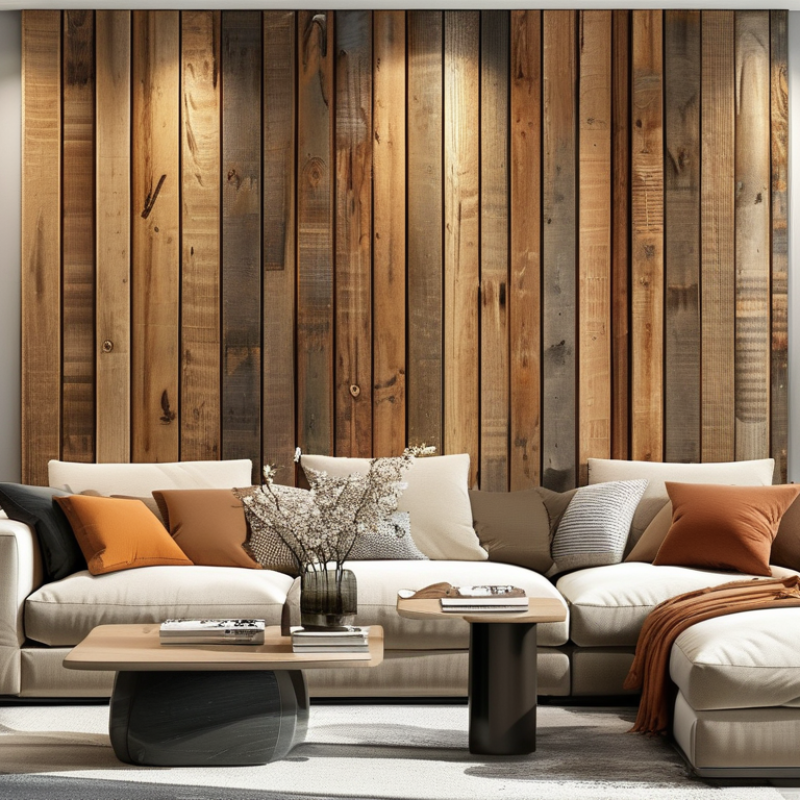
Top Benefits of Indoor WPC Wall Panels for Global Buyers
Indoor WPC wall panels are gaining popularity among global buyers for various reasons. Their durability is a significant advantage. These panels resist moisture and pests, making them ideal for indoor environments. They are particularly beneficial in humid areas. A well-constructed WPC wall can last for decades, reducing the need for frequent replacements.
Maintenance is another appealing aspect. WPC panels require minimal upkeep compared to traditional materials. A simple wipe with a damp cloth is often sufficient. This ease of cleaning saves time and effort, which is a significant plus for busy homeowners. However, buyers should consider the quality of the panels. Inexpensive options may not provide the longevity expected.
Tip: When selecting WPC wall panels, check for certifications. Quality assurance marks can guide you in making a reliable choice.
Another noteworthy benefit is design versatility. WPC panels come in various colors and textures, allowing for creative expression. They can mimic wood or stone finishes without the drawbacks associated with those materials. Still, some buyers may find the aesthetic too synthetic. It’s essential to choose a style that aligns with personal taste.
Tip: Test a sample before purchase. This helps assess how the panel fits in your space. When selecting indoor WPC panels, being informed is always key.
Top 10 Benefits of Indoor WPC Wall Panels for Global Buyers
| Benefit | Description | Key Features |
| Durability | WPC wall panels are resistant to wear and tear, providing long-lasting performance. | Water-resistant, anti-fading, scratch-proof |
| Eco-friendly | Made from recycled materials, contributing to sustainability. | Recyclable, low carbon footprint |
| Easy Maintenance | Simple cleaning process and resistant to stains and dirt. | Non-porous, easy to wipe surface |
| Aesthetic Appeal | Variety of designs and colors to enhance interior spaces. | Natural wood-like appearance, customizable options |
| Cost-effective | Affordable alternative to traditional wood panels. | Low maintenance costs, less installation time |
| Acoustic Insulation | Helps to reduce noise levels within indoor spaces. | Sound-absorbing properties |
| Fire Resistance | Provides a certain level of fire protection for safety. | Flame retardant materials |
| Thermal Insulation | Helps to maintain indoor temperature, reducing energy costs. | Insulating properties |
| Quick Installation | Can be installed faster compared to traditional wall coverings. | Easy interlocking system |
| Versatility | Suitable for a variety of indoor environments such as homes, offices, and commercial spaces. | Adaptable to different design styles |
Durability and Resistance to Environmental Factors in WPC Panels
Indoor WPC (Wood Plastic Composite) wall panels are gaining traction globally due to their impressive durability and resistance to environmental factors. These panels combine the aesthetics of wood with the resilience of plastic, making them a smart choice for various indoor environments. According to a recent industry report, WPC panels can withstand extreme humidity and temperature fluctuations, outperforming traditional wood materials by over 50% in certain conditions.
The impact of moisture on interior surfaces is significant. WPC panels resist warping and swelling, which can be common issues with standard wood. This feature is particularly valuable in areas with high humidity, such as bathrooms and kitchens. Additionally, WPC's resistance to mold and mildew makes it a safer choice for indoor air quality. The International Association of Certified Home Inspectors notes that mold can grow in wood within 24 to 48 hours, but WPC materials can mitigate this risk.
Some drawbacks exist, of course. While WPC panels are designed for longevity, UV exposure can cause discoloration over time. This is a trade-off that buyers should consider. Furthermore, early generations of WPC materials were less eco-friendly. Advances in technology are addressing this, but awareness remains critical. Choosing responsibly sourced WPC panels ensures both durability and sustainability. As product integrity improves, so can buyer confidence in this material's performance.
Cost-Effectiveness of WPC Wall Panels vs. Traditional Materials
Indoor WPC (Wood Plastic Composite) wall panels present a cost-effective alternative to traditional materials like wood, drywall, and plaster. They combine durability and aesthetic appeal at a fraction of traditional costs. The installation process is less labor-intensive and time-consuming, often leading to lower overall expenses. Many homeowners find that WPC panels help reduce maintenance costs over time. Unlike wood, they resist rot and pests, contributing to their long-term value.
However, potential buyers should weigh their options carefully. WPC panels may not offer the same insulation properties as some traditional materials. This variance can occasionally lead to higher energy costs. Additionally, the initial appearance may not match the organic feel provided by real wood. While WPC panels are designed to mimic wood, some may notice differences in texture and finish. Choosing the right product requires understanding these trade-offs.
Ultimately, when considering cost-effectiveness, WPC wall panels demonstrate a balance between affordability and practicality. For many buyers, this material presents an attractive option that can fulfill both aesthetic preferences and budgetary requirements. Balancing durability and design remains vital in making informed decisions for interior spaces.
Sustainability and Eco-Friendliness of WPC Wall Panels Explained
WPC (Wood Plastic Composite) wall panels are gaining traction for their sustainable qualities. These panels combine recycled wood fibers and plastic, creating a product that is both durable and eco-friendly. Many manufacturers focus on sourcing sustainable materials, which reduces waste in landfills. The result is a product that not only looks good but also contributes to environmental conservation.
One of the significant pros is their low maintenance. Unlike traditional wood, WPC panels resist decay and require less frequent replacement. This longevity saves resources over time. However, it’s essential to ensure that the production process also adheres to green practices. If not, the environmental benefits can diminish. Additionally, while WPC has lower emissions compared to other materials, the full lifecycle impact is still an area needing improvement.
Eco-conscious buyers are drawn to these panels for their aesthetic appeal and practicality. They can mimic the look of real wood without contributing to deforestation. However, transparency in sourcing materials can be a challenge. Consumers often face difficulties identifying genuinely sustainable products. Continuous education about WPC and its potential environmental effects remains crucial in guiding informed purchasing decisions.
Aesthetic Versatility: Design Options Offered by WPC Wall Panels
WPC wall panels bring a unique aesthetic versatility to interior spaces. These panels come in various textures and finishes. From classic wood looks to modern stone appearances, the choices are vast. This variety allows homeowners and designers to achieve their desired ambiance. Bright colors or muted tones can transform a room's mood entirely.
The adaptability of WPC panels is evident in their easy installation. They can be customized to fit any space seamlessly. This adaptability is appealing for both residential and commercial environments. However, it requires careful planning to ensure the desired look aligns with functionality. It’s important to consider that while these panels are visually striking, they may not suit all architectural styles.
Creating a cohesive design with WPC panels involves balancing aesthetics and practicality. Mixing different textures can enhance visual interest, but overdoing it might create chaos. It’s essential to reflect on how each element interacts within the space. Choosing colors and patterns requires consideration of light and surrounding materials. Ultimately, WPC panels present an opportunity to express creativity while also requiring thoughtful execution.