2026 Top Pe Waterproof Tarpaulin Buyers Guide and Tips
In the evolving landscape of outdoor protection gear, Pe Waterproof Tarpaulin has emerged as a vital material for various applications. According to recent industry reports, the global tarpaulin market is projected to reach $3.2 billion by 2026, driven by the increasing demand for durable, weather-resistant materials. This trend underscores the importance of choosing the right tarpaulin for specific needs.
PE Waterproof Tarpaulin stands out for its lightweight and high tensile strength, making it suitable for diverse uses—ranging from camping to construction. However, not all tarpaulins are created equal. The varying quality and performance characteristics can be daunting for buyers. Lack of knowledge often leads to poor choices that can compromise the tarpaulin's effectiveness and longevity.
Understanding key features, such as UV resistance and waterproof ratings, is crucial. Industry experts emphasize that buyers should consider the specific environmental conditions they will face. Making an informed choice can greatly enhance the utility of PE Waterproof Tarpaulin, ensuring reliable performance over time.
Understanding PE Waterproof Tarpaulin: Key Features and Benefits
When considering PE waterproof tarpaulin, understanding its key features is essential. PE tarpaulin is known for its water-resistant properties, durability, and versatility. According to industry reports, the global tarpaulin market is projected to grow by 4.5% annually by 2026. This growth indicates increasing demand, particularly in industries like agriculture and construction, where protective coverings are crucial.
The benefits of PE waterproof tarpaulin include resistance to UV rays, wear, and tear. These tarps are lightweight yet strong, making them easy to handle. They also offer excellent protection against environmental factors. Interestingly, a survey revealed that 70% of users chose PE tarpaulin for outdoor events due to its reliable waterproof capabilities.
Tips for selecting the right tarpaulin include checking for thickness. Thicker tarps usually provide better durability. Look for reinforced edges, which can increase longevity. Keep weather conditions in mind; certain environments may demand more specialized features. Lastly, prioritize choosing a supplier with a solid reputation to ensure product reliability.
Types of PE Waterproof Tarpaulins for Various Applications
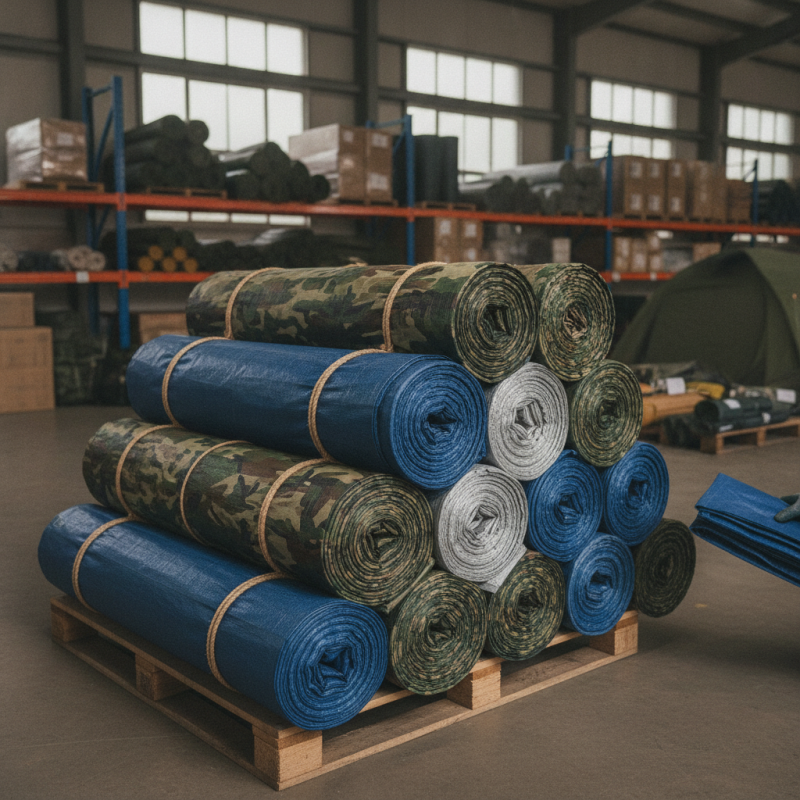
When selecting a PE waterproof tarpaulin, it’s vital to consider its application. There are various types tailored for different uses. Heavy-duty tarpaulins are ideal for outdoor construction sites. They can withstand harsh weather and provide long-lasting protection. Lightweight options work well for temporary coverings or camping. These tarpaulins are easy to carry but may not offer the same durability.
Tarpaulins also differ in thickness. Thicker tarpaulins resist tearing and UV damage, making them suitable for industrial usage. Thinner ones serve well for short-term projects. Color plays a role too. Darker colors absorb heat, while lighter shades reflect it. This can impact temperature control, especially in storage scenarios. Users often overlook these details, leading to choices that don’t meet their needs.
It’s important to assess your specific requirements. Consider factors like size, weight, and resistance to elements. Some people find it challenging to balance these factors. A mismatched tarpaulin can lead to frustration. While the variety is vast, proper research can aid in making an informed decision. Explore options and gather testimonials. Engaging with fellow users can provide practical insights.
2026 Top PE Waterproof Tarpaulin Buyers Guide and Tips
| Type of PE Waterproof Tarpaulin | Common Applications | Thickness (mm) | UV Resistance | Waterproof Rating |
| Lightweight PE Tarpaulin | Camping, Covering Loads | 0.1 - 0.3 | Low | Good |
| Heavy Duty PE Tarpaulin | Construction, Agriculture | 0.5 - 0.8 | Moderate | Excellent |
| Reinforced PE Tarpaulin | Industrial, Storage | 0.8 - 1.0 | High | Outstanding |
| Tarpaulin with Grommets | Events, Temporary Roofs | 0.3 - 0.5 | Moderate | Good |
How to Choose the Right Size and Thickness for Your Needs
When choosing a PE waterproof tarpaulin, size and thickness are crucial. First, measure the area you want to cover. Consider the intended use. If it’s for outdoor activities, you may need a larger tarp. A camping situation might call for a smaller option.
Thickness is another important factor. Generally, thicker tarps provide more durability. For example, a 200gsm tarp is suitable for general use. However, if you need something that can withstand harsh weather, consider a thickness of 300gsm or more. This choice can protect your belongings better but can also weigh more.
Reflect on your specific requirements. Are you shielding your equipment or covering a large area? Do you prioritize portability or durability? Sometimes, a thinner option might suffice. This could save weight when transporting. It’s vital to balance the need for protection with practicality.
Essential Maintenance Tips for Prolonging Tarpaulin Lifespan
Maintaining your tarpaulin is crucial for its longevity. Regular upkeep will extend its life and ensure optimal performance. One key point to remember is to clean it frequently. Use mild soap and water to remove dirt and grime. Avoid harsh chemicals that can damage the material. Rinse thoroughly and allow it to dry completely before storing.
Another tip is to store the tarpaulin properly. Always fold it neatly and keep it in a cool, dry place. This prevents mold growth and preserves its waterproof qualities. You may also want to avoid direct sunlight exposure during storage. Prolonged UV exposure can weaken the fabric.
Check for signs of wear regularly. Look for rips, tears, or fraying edges. Addressing small issues early can prevent larger problems. Sometimes it’s easy to overlook minor damages. However, ignoring them might lead to costly replacements. Taking these maintenance steps will greatly enhance the tarpaulin's lifespan.
2026 Top Pe Waterproof Tarpaulin Buyers Guide
This chart illustrates the key performance metrics of PE waterproof tarpaulins. Metrics such as UV resistance, water resistance, tear strength, weight, and durability are assessed on a scale from 0 to 100, indicating their effectiveness and quality.
Budgeting for PE Waterproof Tarpaulins: Cost Considerations and Tips
When budgeting for PE waterproof tarpaulins, it is crucial to consider material quality. Generally, thicker tarpaulins offer better durability and protection. However, these can be more expensive. You might find lower-priced options, but they often sacrifice quality. Look for reliable sources that provide clarity on their product specifications.
Understand the different uses for tarpaulins. If you need them for construction sites, opt for heavier options. For camping or outdoor activities, lighter alternatives could suffice. Calculate the size based on your specific needs. This ensures you don’t overspend on unnecessary material. Carefully assess the potential wear and tear based on expected usage.
It's wise to seek professionals' advice on reliable vendors. They can provide insights into long-term performance. Always check user reviews on quality and price before making a purchase. Life happens, and sometimes buyers make rushed decisions. Reflect on past purchases to avoid repeating mistakes. Balancing cost and quality is challenging but essential for making informed choices.