2026 Top Weighing Scale Pallet Truck Features and Benefits?
The "Weighing Scale Pallet Truck" has emerged as a crucial tool in warehouses and logistics. Its ability to combine weighing capabilities with mobility is unmatched. As industries grow, the demand for efficient and accurate weight measurement also increases. These trucks can streamline operations and save time.
In 2026, the latest models offer innovative features that reflect advancements in technology. Enhanced load capacities, accuracy improvements, and user-friendly interfaces make these trucks indispensable. Companies can prevent errors and ensure compliance with industry standards. However, it's essential to recognize that not all models may meet the high standards businesses expect.
Choosing the right "Weighing Scale Pallet Truck" requires careful consideration of various factors. Users should assess their specific needs and weigh the features against the cost. While many options boast impressive features, not every solution will suit every application. Businesses must reflect on their unique requirements to maximize efficiency.
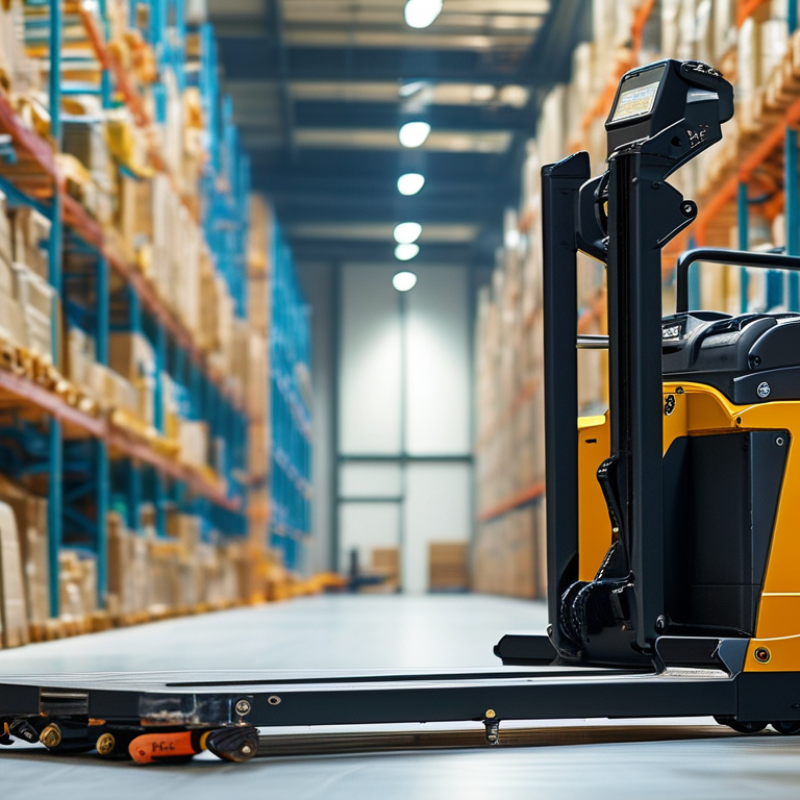
Top Features of 2026 Weighing Scale Pallet Trucks: An Overview
In 2026, weighing scale pallet trucks have evolved significantly. They offer precise weight measurements alongside mobility. These trucks are ideal for warehouses and logistics. They enhance efficiency in loading and unloading tasks. Users will benefit from real-time weight data, reducing errors in inventory management.
Smart technology features are increasingly common. Some trucks now come equipped with digital displays. This allows for easy reading of weight even in dim light. Another emerging feature is connectivity options. They can sync with inventory software, making tracking seamless. However, not all models offer this capability.
Tips: When choosing a pallet truck, consider your specific needs. Analyze the weight capacity and size that suits your tasks. It’s crucial to ensure the equipment meets safety standards. Regular maintenance of your pallet truck is essential. This can prevent unexpected breakdowns. Small issues, if neglected, can lead to larger problems later on.
Comparative Analysis of Weighing Accuracy in Modern Pallet Trucks
In the world of modern logistics, weighing accuracy in pallet trucks plays a pivotal role. Recent industry reports indicate that nearly 20% of inaccuracies in inventory can arise from improper weighing systems. This inconsistency often leads to costly errors, overstocking, or stockouts, impacting overall supply chain efficiency.
Understanding the features that contribute to precise measurements is vital. Modern weighing scale pallet trucks feature advanced load cells that offer real-time weight readings. These load cells can achieve an accuracy level of ±0.1% under optimal conditions, which is crucial for maintaining operational integrity. However, environmental factors or misuse can degrade these systems, leading to inaccuracies.
**Tip:** Regular calibration and maintenance of weighing systems are essential for sustaining accuracy. Ensure that operators are trained properly to avoid user errors that could compromise performance. Different models and designs of pallet trucks may affect measurement reliability, so reviewing equipment specifications is prudent. Confirming device accuracy periodically can prevent unexpected discrepancies in weight readings.
2026 Top Weighing Scale Pallet Truck Features and Benefits
| Feature | Benefits | Weighing Accuracy | Capacity |
| Digital Display | Easy to read measurements | ±0.1% of the full scale | 3000 kg |
| Wireless Connectivity | Remote monitoring capabilities | ±0.05% of the full scale | 2500 kg |
| Built-in Printer | Instant printout of weight data | ±0.2% of the full scale | 5000 kg |
| Durable Design | Longer lifespan and maintenance-free | ±0.15% of the full scale | 4000 kg |
| Low Battery Indicator | Prevents unexpected shutdowns | ±0.1% of the full scale | 2000 kg |
Impact of Load Capacity on Efficiency in Weighing Scale Pallet Trucks
When it comes to weighing scale pallet trucks, load capacity is crucial. It affects how efficiently goods are transported in warehouses and distribution centers. A higher load capacity allows for more products to be moved at once, saving time and reducing the number of trips needed. For instance, a pallet truck that can handle 2,500kg will outperform a model with a 1,500kg capacity in busy environments.
However, the relationship between load capacity and efficiency is not straightforward. Overloading a pallet truck can lead to equipment failure and safety hazards. When operators exceed weight limits, they compromise both functionality and stability. This creates risks for workers and can damage goods. Therefore, businesses must strike a balance between capacity and safe operation.
Moreover, variable load conditions and uneven surfaces pose additional challenges. Workers may underestimate the impact of weight on maneuverability. A truck that is too heavy to control effectively can slow down operations. Regular training can mitigate these risks, ensuring that personnel understand load limits and best practices. Ultimately, it’s about enhancing efficiency while maintaining safety standards in every operational setting.
Impact of Load Capacity on Efficiency in Weighing Scale Pallet Trucks
Technological Advancements in Weighing Scale Pallet Trucks for 2026
The evolution of weighing scale pallet trucks in 2026 is poised for significant innovations. Advanced technologies, such as load cell systems and Bluetooth connectivity, improve accuracy and ease of use. Recent reports show that precision measurements can enhance operational efficiency by over 15%. With these advancements, businesses can streamline inventory management and reduce manual errors.
Furthermore, the integration of IoT (Internet of Things) technology is gaining traction. Statistics indicate that IoT-enabled devices can boost warehouse productivity by up to 20%. These devices offer real-time data analytics, giving companies insights into weight distribution and load totals. This capability allows for informed decision-making but poses challenges—securing sensitive data is critical.
However, as technology advances, some issues remain. Employees need training to adapt to new systems. The learning curve can temporarily slow operations. Moreover, reliance on sophisticated tech may lead to overconfidence, neglecting manual checks that are still necessary. Balancing innovation with traditional methods creates a complex but potentially beneficial landscape for businesses in 2026.
Benefits of Enhanced Mobility and Ergonomics in Modern Pallet Trucks
Modern pallet trucks are evolving rapidly, focusing on enhanced mobility and ergonomics. Recent industry data indicates that over 60% of warehouse operations now prioritize ergonomic designs. This shift aims to reduce worker fatigue and improve efficiency. Ergonomic features, such as adjustable handles and user-friendly controls, allow operators to navigate tighter spaces without strain. This ease of movement significantly reduces the risk of injuries.
Incorporating advanced mobility solutions contributes to overall productivity. According to a 2023 report from the Warehouse Equipment Association, trucks with enhanced maneuverability can boost operational efficiency by up to 25%. Features like swivel wheels and compact designs enable smoother cornering and easier handling in crowded environments. Workers can move quickly while maintaining safety, which is vital in high-paced settings.
Even with these advancements, challenges remain. Some operators report that heavier loads can still compromise maneuverability, questioning the effectiveness of new designs. Regular assessments and ongoing training are essential to address these issues and refine usage practices. The need for continuous improvement in both design and operation highlights the evolving nature of pallet trucks in modern logistics.