2026 Top Outdoor Doors Selection for Your Home Designs?
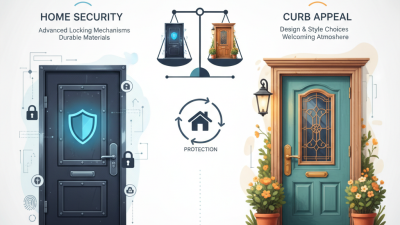
Choosing the right outdoor doors can significantly enhance your home’s curb appeal. According to a recent report by the American Institute of Architects, quality doors can provide up to a 70% return on investment. Homeowners now prioritize both aesthetics and functionality. The selection process, however, can be daunting with the multitude of options available.
In 2026, trends are leaning towards sustainable materials and energy efficiency. Studies indicate that doors made from fiberglass and composite materials are gaining popularity. These options offer durability while reducing energy costs. Homeowners are often unaware of how much doors impact insulation and overall energy ratings.
Yet, the abundance of outdoor doors selections raises questions about style, security, and maintenance. Not every option balances these factors well. It’s essential to reflect on your specific needs before making a choice. Finding the perfect fit might seem challenging, but understanding these dynamics will lead you to the ideal solution for your home.
Top Trends in Outdoor Door Designs for 2026
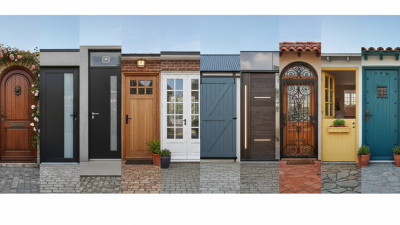
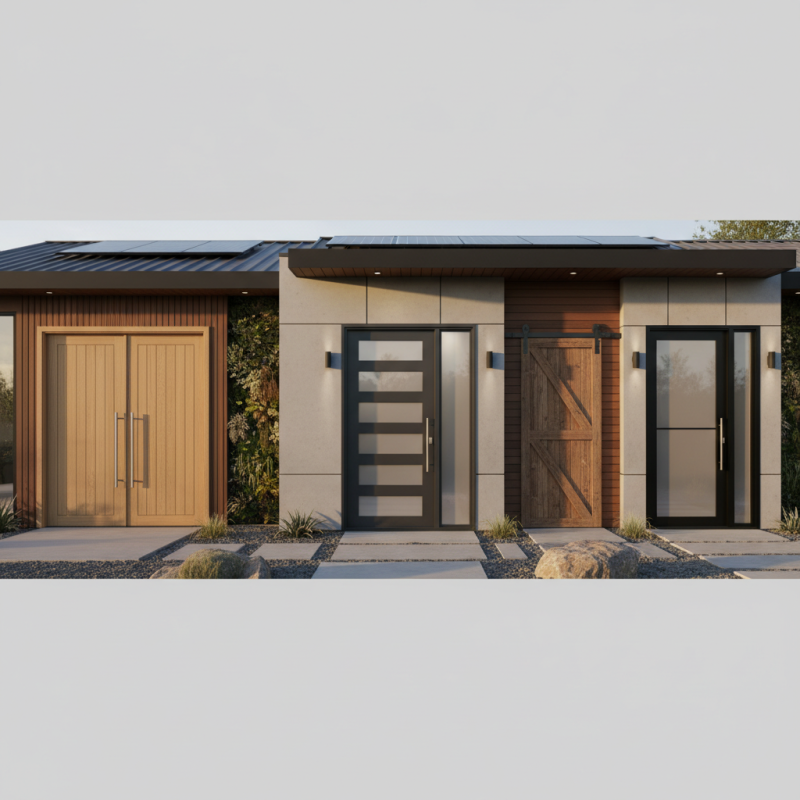
The outdoor door designs for 2026 reflect a significant shift towards sustainability and innovative aesthetics. Natural materials remain popular, with wood and metal blends becoming a favorite. These doors often feature eco-friendly finishes, promoting a connection to nature. Glass elements are also trending. Large panes can enhance natural light, adding warmth to any space.
Tips: When choosing an outdoor door, consider durability. The door should withstand weather changes. A good seal can prevent drafts and moisture. This makes for a comfortable home.
Minimalistic designs are making waves. Simple lines and muted colors create a modern look. Yet, some homeowners may find these styles too stark. Adding unique hardware can add character without overwhelming the design. Balance is key in these choices.
Tips: Pay attention to your home’s architectural style. The door should complement, not clash with, your existing design. Sometimes, a bold color can elevate a dull facade. Choose wisely to enhance your home's overall appeal.
Materials to Consider for Durable Outdoor Doors
Choosing the right materials for outdoor doors is crucial for both aesthetics and durability. Wood is a popular choice. It offers warmth and classic beauty. However, it requires regular maintenance to prevent rotting or warping. Some homeowners may find the upkeep tedious. For a more modern solution, fiberglass is an excellent alternative. It mimics wood beautifully but is much more resistant to harsh weather.
Metal doors are also a strong option. They provide security and durability. However, they can be prone to rust if not properly coated. Think about the environment your door will face. Coastal regions bring salt, which can quickly damage materials. Consider using stainless steel for added longevity.
Ultimately, the best material depends on your specific needs. Each option has its pros and cons. Perhaps wood's charm is enticing, but the care it requires can be overwhelming. Reflection is key. Assess your lifestyle and preferences when choosing. Durable, stylish doors can enhance your home’s appeal while serving their purpose effectively.
2026 Top Outdoor Doors Selection for Your Home Designs
| Material |
Durability |
Maintenance |
Weather Resistance |
Cost Range (USD) |
| Fiberglass |
High |
Low |
Excellent |
500 - 1500 |
| Steel |
Very High |
Medium |
Good |
300 - 1200 |
| Wood |
Medium |
High |
Fair |
400 - 1500 |
| Aluminum |
High |
Low |
Excellent |
350 - 1000 |
| Vinyl |
Medium |
Very Low |
Good |
250 - 800 |
Energy Efficiency Features in Modern Outdoor Doors
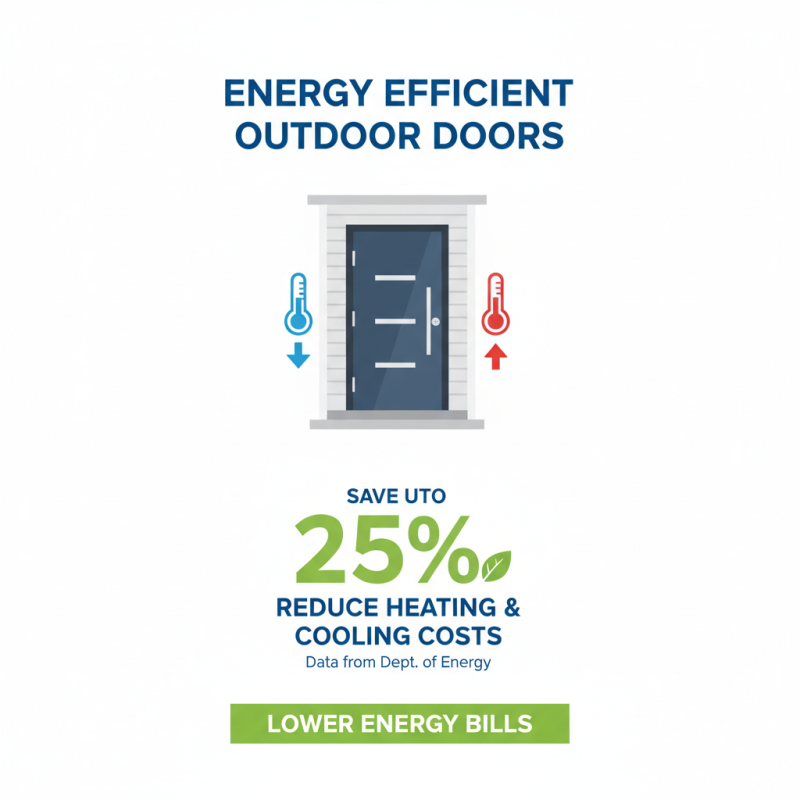
When selecting outdoor doors, energy efficiency is a top priority. Modern outdoor doors can make a significant difference in home energy consumption. Data from the Department of Energy reveals that doors with high insulation values can reduce heating and cooling costs by up to 25%. This is crucial for homeowners looking to lower energy bills.
Many outdoor doors are now equipped with advanced features. For instance, Low-E glass can reflect heat while allowing natural light. This type of glass helps maintain indoor temperatures. Additionally, energy-efficient doors often have improved sealing systems. These systems minimize air leaks, which can be responsible for up to 30% of energy loss in a home.
Choosing the right door requires careful consideration. It's not just about aesthetics. The materials used play a crucial role in energy efficiency. However, some homeowners overlook this aspect. Common mistakes include choosing style over functionality. It’s essential to balance both to achieve optimal performance.
Styles and Finishes to Enhance Your Home's Curb Appeal
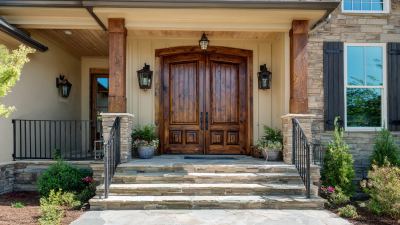
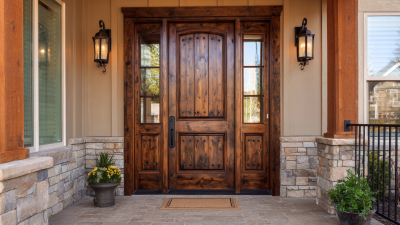
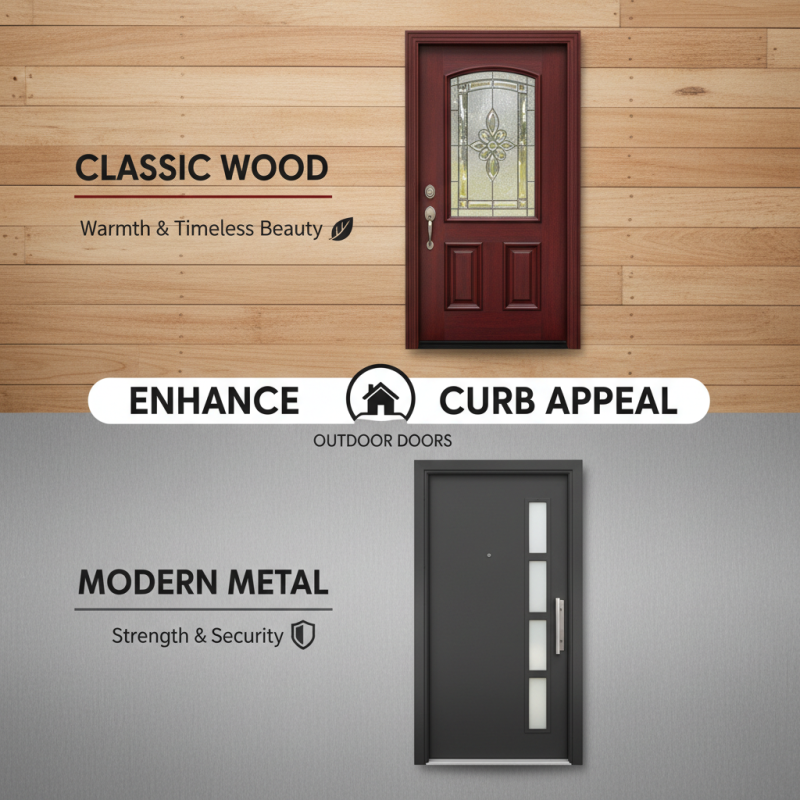
Selecting the right outdoor doors is crucial for enhancing your home's curb appeal. Styles and finishes play a significant role in creating an inviting entrance. Consider a classic wood finish. It adds warmth and timeless beauty. A metal door with a sleek, modern finish can project strength and security. Each option influences the overall vibe of your home.
Don’t overlook color choices. A bold red or deep blue can make a powerful statement. However, these hues may clash with your home’s exterior. Subtle earth tones often work better for achieving harmony. Textures also matter. A smooth surface can appear sleek, while a textured finish can add depth and interest. Think about how these elements interact with your landscape.
Make sure you reflect on practicality too. Heavy doors can be challenging to open, especially in bad weather. Screens can enhance airflow and visibility, but they may detract from aesthetics. Find the right balance. Pay attention to details. Small hardware features can elevate the overall look. Each choice you make shapes your home’s identity and ambiance.
Smart Technology Integrations in Outdoor Door Options
The integration of smart technology in outdoor doors is becoming increasingly popular. Many homeowners are looking for advanced features. According to a recent report by the Smart Home Market, 62% of consumers express interest in smart door systems. These systems offer enhanced security and convenience. They can be connected to smartphones for remote access and monitoring.
Smart locks are a key feature here. They often come with temporary access codes for guests. This ability gives homeowners peace of mind when renting out space. Some doors even include built-in sensors to alert users of movement. However, there are security concerns. Data from the Cybersecurity and Infrastructure Security Agency highlights that 25% of smart devices can be vulnerable to breaches. Homeowners need to be vigilant.
Additionally, smart outdoor doors can contribute to energy efficiency. Automated systems can adjust to changing weather conditions. This adaptability can reduce heating and cooling costs by up to 30%, as stated in the Energy Efficiency Trends report. Yet, these systems are sometimes complicated to install and set up correctly. A thorough understanding of the technology is essential for optimal performance. Balancing convenience with security remains a challenge in modern home design.