2026 Top Element Filter Trends Every Global Buyer Should Know?
In the ever-evolving world of element filters, staying informed is crucial for global buyers. As industry expert Dr. Jane Thompson states, "Understanding element filter trends can lead to smarter purchasing decisions." This encapsulates the need for awareness in an era of rapid advancements.
element filters are essential components across various sectors, including water purification, air quality management, and industrial processes. Trends show a growing focus on sustainability, efficiency, and innovative technologies. Buyers should not only seek the latest products but also understand the impact of these trends on their procurement strategies.
However, the landscape is not without its challenges. Misinformation and overly complex options can lead to poor choices. Companies must assess their needs carefully. Embracing transparency and reliability in sourcing element filters will ultimately guide buyers toward more effective solutions. The importance of knowledge and adaptability cannot be overstated in this dynamic industry.
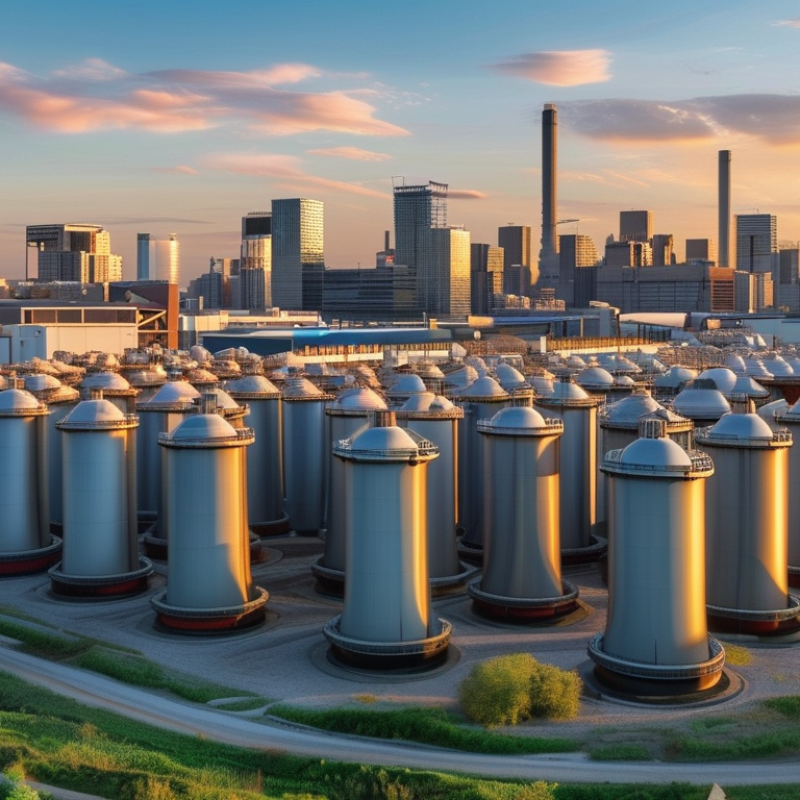
2026 Market Insights: Projected Growth of Element Filters in Global Trade
As the demand for cleaner and more efficient technologies grows, the element filter market is poised for considerable expansion by 2026. Industry insights highlight that global trading of these filters is projected to increase significantly, driven by rising environmental awareness and regulatory changes. Buyers are noticing a shift toward sustainable materials and innovative designs. This reflects a growing preference for products that not only perform well but also reduce environmental impact.
The current landscape reveals a diverse range of applications, from automotive to industrial settings. Yet, challenges persist. Many manufacturers struggle with sourcing high-quality materials. Supply chain issues can lead to delays and increased costs. Buyers should consider these factors carefully when making decisions. Additionally, ongoing research and development are crucial for exploring new technologies that enhance filter efficiency.
Buyers must also remain cautious of market fluctuations. The demand for element filters can vary greatly based on global economic conditions. Evaluating partnerships and supplier reliability will be essential in navigating these changes. This market requires a proactive approach to ensure that decisions align with both sustainability goals and practical needs.
Emerging Technologies: Innovations Shaping the Future of Element Filters
Emerging technologies are reshaping the landscape of element filters. Innovations in materials science are at the forefront. Advanced composites and smart materials enhance performance while reducing waste. These developments show promise for sustainability and efficiency.
New manufacturing techniques, such as 3D printing, allow for customization. Tailored filters can meet specific requirements without unnecessary materials. However, there are challenges in scaling production while maintaining quality. Manufacturers must balance innovation with reliability to meet market demands.
Integration of IoT technology into element filters is another exciting trend. Smart filters can monitor performance in real-time, improving maintenance and prolonging lifespan. This data-driven approach offers insights that help optimize filter usage. Yet, reliance on technology raises questions about data security and privacy. As we move forward, addressing these concerns will be crucial.
2026 Top Element Filter Trends Every Global Buyer Should Know
| Trend | Description | Impact | Year of Adoption |
| Advanced Materials | Use of proprietary materials that enhance filtration efficiency and durability. | Increased performance leading to higher customer satisfaction and reduced replacement costs. | 2026 |
| Smart Filtering Technology | Integration of IoT devices for real-time monitoring and predictive maintenance. | Enhanced operational efficiency and prolonged filter lifespan. | 2025 |
| Eco-Friendly Solutions | Adoption of biodegradable and recyclable materials in filter production. | Positive environmental impact and compliance with stricter regulations. | 2026 |
| Nanotechnology Enhancements | Utilization of nanomaterials for better filtration at the nanoscale. | Greater filtration effectiveness and smaller footprint of filters. | 2025 |
| Modular Filter Systems | Design of interchangeable and scalable filter modules for various applications. | Flexibility and customization for different client needs. | 2026 |
Sustainability Trends: Eco-Friendly Materials in Element Filter Production
Sustainability is reshaping the landscape of element filter production. As environmental concerns grow, manufacturers are increasingly adopting eco-friendly materials. These materials reduce the carbon footprint and promote a healthier planet. For example, biodegradable plastics are gaining traction. These options break down naturally, unlike traditional plastics. This change is crucial for long-term sustainability in the filter industry.
Choosing sustainable materials impacts performance and consumer trust. Eco-friendly filters often have lower energy consumption during production. However, balancing cost and quality can be challenging for manufacturers. Some businesses still rely on cheaper, non-sustainable options out of convenience. Educating stakeholders on the benefits of eco-friendly materials is essential. Ultimately, the market favors those who commit to sustainable practices.
Seeking sustainable materials can be tricky, but it's beneficial. Start by researching local suppliers that offer eco-friendly options. Educating your team about the importance of sustainability in production can lead to better decisions. Stay updated on innovations in this field. Adopt a culture of sustainability; it will resonate with consumers and partners alike. Embracing eco-friendly practices might require adjustments, but it can lead to a thriving business future.
Consumer Preferences: Key Factors Influencing Buyer Choices in 2026
In 2026, consumer preferences are shifting dramatically. Buyers today are increasingly seeking products that align with their values. Sustainability is a top priority. Many consumers want products that are eco-friendly and ethically sourced. This trend reflects a growing awareness of environmental issues and social responsibility. Buyers often feel a personal connection to brands that contribute positively to society.
Another significant factor is technology's role in enhancing consumer choices. Smart features in products attract tech-savvy buyers. Easy-to-use interfaces and innovative designs are crucial. However, not all consumers are comfortable with rapid technological changes. Some prefer simpler, traditional options. This divide creates an opportunity for brands to cater to diverse preferences.
Price sensitivity remains a critical consideration. Although many prioritize sustainability and technology, affordability can't be overlooked. Buyers often face budget constraints. They might choose cost-effective options, even if they are less aligned with their values. This struggle highlights the need for brands to balance quality and affordability. Understanding these nuances will empower businesses to meet evolving consumer demands effectively.
2026 Top Element Filter Trends: Consumer Preferences
Regulatory Landscape: Compliance Challenges for Global Element Filter Suppliers
The regulatory landscape for element filter suppliers is increasingly complex. Strict compliance requirements are emerging globally. Suppliers must navigate diverse standards across various regions. This is a challenge, especially for those unfamiliar with local regulations. Each market has its own set of compliance obligations, which can significantly impact operational efficiency.
It's crucial for suppliers to stay updated on changes in regulatory policies. Regular training and resources are necessary for understanding these complexities. Many suppliers find themselves overwhelmed by the volume of documentation and process adjustments required. Some struggle to keep pace, which can lead to inadvertent non-compliance.
In this environment, building relationships with regulatory experts can be beneficial. These professionals provide guidance on navigating compliance challenges. Suppliers also need to invest in robust reporting systems. Such systems streamline monitoring and ensure adherence to regulations. As regulatory pressures mount, remaining proactive will be key to survival.